Digital nomad guide 2026
Best connectivity for digital nomads: internet, eSIMs, and remote-work setups
Remote work lives or dies on reliable internet. This guide compares eSIM vs local SIM vs coworking Wi-Fi, ranks popular nomad hubs, and gives you a practical setup checklist for working abroad in 2026.

25+ Mbps
Minimum for HD video calls
10–20 GB/mo
Typical nomad mobile data need
2 connections
Ideal: eSIM + coworking backup
48 hours
Time to test speeds at new base
Quick answer
What is the best internet setup for digital nomads?
Digital nomads need redundant internet: a travel eSIM for mobile data on arrival, a local SIM for longer stays, and coworking Wi-Fi for video calls. Budget 10–20 GB of mobile data per month plus a coworking day pass for important meetings.
The MBO Partners 2025 report estimates 18.1 million American adults identify as digital nomads. Planning connectivity before you book a one-way flight is no longer optional.
eSIM vs local SIM vs coworking Wi-Fi: which should nomads use?
Travel eSIM
First 2–4 weeks in a country
Instant QR delivery, no store visit. Ideal for landing with maps and Slack ready. Check hotspot policies before buying.
Local SIM
Stays of 1–6 months
Usually the best per-GB value. Requires passport and often a carrier store visit.
Coworking Wi-Fi
Daily video calls and uploads
Dedicated bandwidth for Zoom and Git pushes. Test during peak hours before committing.
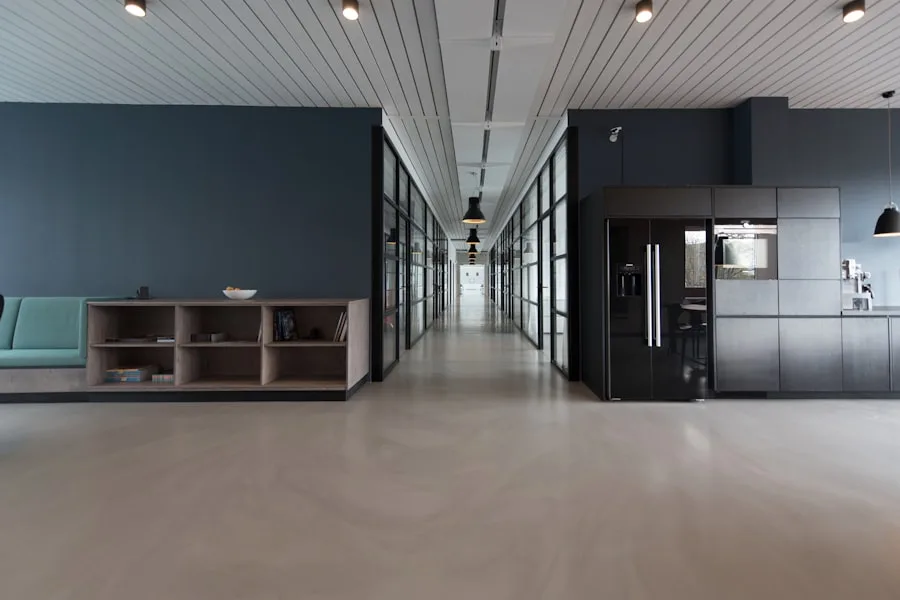
Coworking is your video-call insurance policy
Apartment Wi-Fi in nomad destinations is unpredictable. A coworking day pass ($10–$25) buys wired-level stability for client calls. Test upload speed — video calls are upload-heavy.
Top digital nomad hubs ranked by connectivity (2026)
Rankings combine mobile network quality, coworking availability, and fiber penetration.
Lisbon, Portugal
- Connectivity
- Excellent
- Coworking cost
- €25–€40/mo coworking
- Mobile notes
- NOS / MEO 5G; EU roaming included
Bali (Canggu), Indonesia
- Connectivity
- Good
- Coworking cost
- $80–$150/mo coworking
- Mobile notes
- Telkomsel; eSIM essential on arrival
Mexico City, Mexico
- Connectivity
- Excellent
- Coworking cost
- $100–$200/mo coworking
- Mobile notes
- Telcel 4G/5G; stable in Roma/Condesa
Chiang Mai, Thailand
- Connectivity
- Good
- Coworking cost
- $50–$100/mo coworking
- Mobile notes
- AIS/DTAC; fiber in many condos
Tbilisi, Georgia
- Connectivity
- Very good
- Coworking cost
- $30–€60/mo coworking
- Mobile notes
- Magti 4G; 1-year visa popular
Medellín, Colombia
- Connectivity
- Good
- Coworking cost
- $80–$150/mo coworking
- Mobile notes
- Claro/Tigo; verify building fiber
| Hub | Connectivity | Coworking cost | Mobile notes |
|---|---|---|---|
| Lisbon, Portugal | Excellent | €25–€40/mo coworking | NOS / MEO 5G; EU roaming included |
| Bali (Canggu), Indonesia | Good | $80–$150/mo coworking | Telkomsel; eSIM essential on arrival |
| Mexico City, Mexico | Excellent | $100–$200/mo coworking | Telcel 4G/5G; stable in Roma/Condesa |
| Chiang Mai, Thailand | Good | $50–$100/mo coworking | AIS/DTAC; fiber in many condos |
| Tbilisi, Georgia | Very good | $30–€60/mo coworking | Magti 4G; 1-year visa popular |
| Medellín, Colombia | Good | $80–$150/mo coworking | Claro/Tigo; verify building fiber |
Your connectivity timeline: before, during, and after arrival
Before departure
- Research eSIM providers and coverage maps
- Confirm dual SIM or eSIM support
- Download offline maps and VPN
- Notify clients of timezone and messaging channel
First 48 hours on the ground
- Activate travel eSIM on airport Wi-Fi
- Run speed tests at accommodation and coworking
- Buy local SIM backup if staying 30+ days
- Find two cafés with reliable upload speeds
Ongoing nomad workflow
- Schedule calls during off-peak hours
- Use hotspot only as failover — monitor data
- Keep second SIM for banking OTPs if needed
- Reassess data plans monthly as you move
How much mobile data do nomads actually need?
Light users consume 5–8 GB per month. Moderate users need 15–25 GB. Heavy tethering without coworking Wi-Fi can exceed 40 GB.
Regional eSIMs suit multi-country routes: a Europe 30 GB plan covers Lisbon → Barcelona → Berlin without swapping profiles.

Security and reliability tips for nomad internet
Use a VPN on untrusted networks, enable 2FA on work accounts, and avoid sensitive banking on public Wi-Fi. Carry a portable battery for hotspot calls.
Build redundancy: primary eSIM, backup SIM, coworking membership, and tested café Wi-Fi list.